Google Releases Gemini 3.8 Flash: The Latest in a Rapid Fire of AI Models
Google's Gemini 3.8 Flash launch marks a strategic shift in its AI offerings, rolling out its third Flash model in just six weeks while pausing updates to the Pro variant.
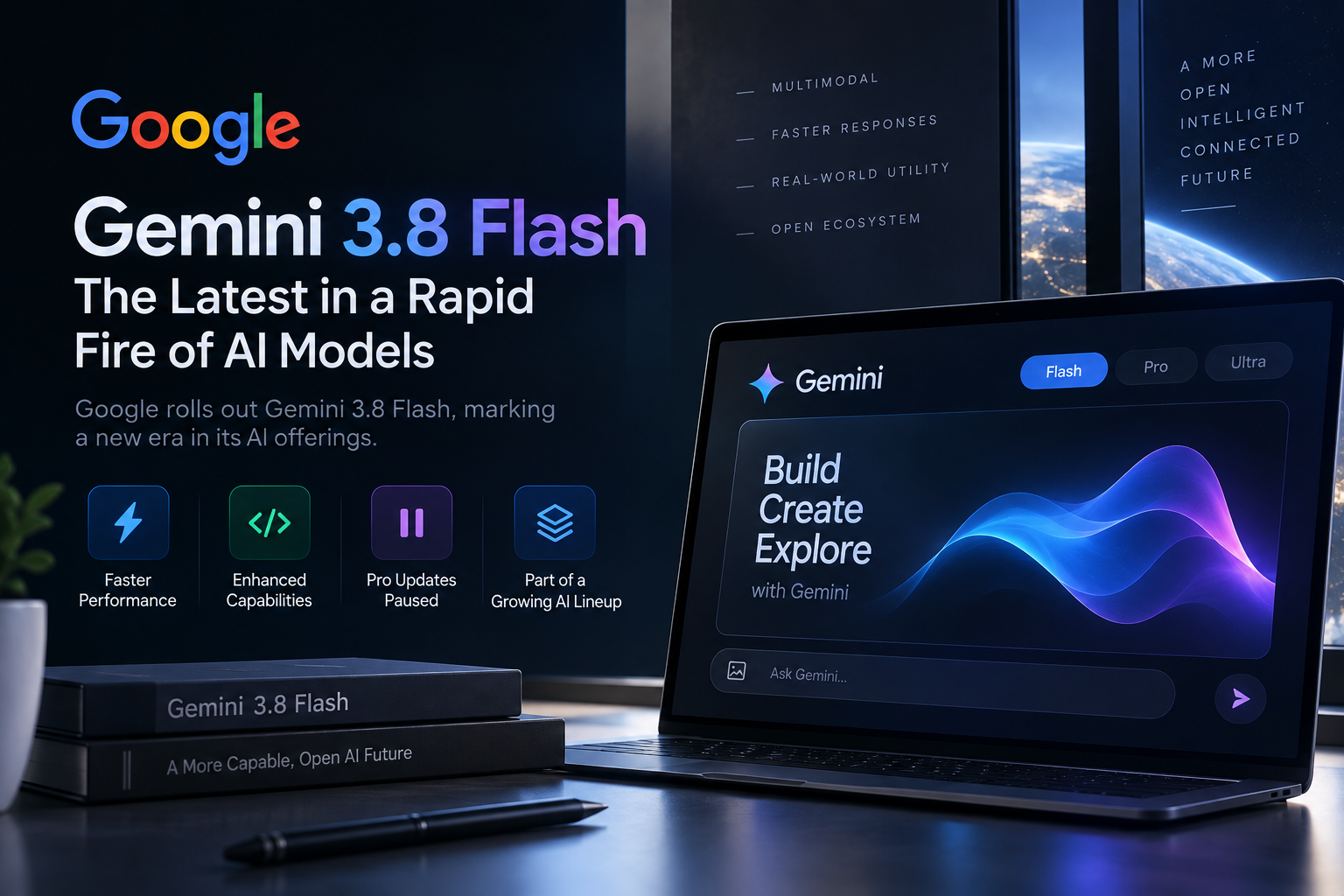
- Gemini 3.8 Flash was released on September 2, 2026.
- The launch of the Gemini 3.8 Flash is the third Flash model from Google in six weeks.
- Updates to the Gemini Pro models are reportedly paused.
- The launch coincides with ongoing issues related to older Chromecast and Google Home devices.
What Happened
On September 2, 2026, Google introduced the Gemini 3.8 Flash model. This release comes as the third iteration of the Flash series in a notably short span of six weeks. The frequent updates indicate a robust push from Google to enhance its offerings in AI technology while introducing significant new features or improvements within its Flash models.
There is, however, a notable pause in updates to Google's Pro model series, which raises questions regarding the strategic motivations behind this acceleration of the Flash line at the expense of the Pro developments.
Model Overview
The Gemini 3.8 Flash model has quickly drawn attention based on the prior releases in the same series. As indicated by reports from TechRadar, the repeated iterations suggest Google's commitment to refining this category of AI models, underlining the significance of real-time updates and optimizations.
The implications of these regular updates highlight a proactive approach to address both performance metrics and user feedback, positioning the Flash models as essential tools for users relying on cutting-edge AI functionalities.
Capabilities
The recent releases in the Flash line point to a strategy aimed at enhancing the overall user experience with innovative features. While precise specifications of the Gemini 3.8 Flash compared to its predecessors remain unclear, ongoing evaluation of its performance and capabilities is essential to understanding how it fits into the landscape of AI models.
TechRadar notes that the rapid succession of these models could reflect a maturation in Google's AI technologies, with users potentially benefiting from continuous improvements and cutting-edge functionalities that enhance their AI interactions.
Technical Details
Gemini 3.8 Flash is the third model released in a span of six weeks, marking a significant rapid rollout strategy by Google. Each new model adds to a growing portfolio that stands in stark contrast to the decision to pause updates to the Pro line, which raises questions about the direction of Google’s AI development strategy.
This diversified approach emphasizes Google’s attempt to cater to a varied user base that may require distinct AI functionalities across multiple applications or environments.
In parallel, the pause in Pro model updates hints at a potential redeployment of resources towards enhancing the Flash series, reflecting possible difficulties in further advancing the Pro line to meet evolving market expectations.
Limitations
Despite the advancements evident in the Gemini 3.8 Flash, challenges emerge, particularly regarding ongoing issues faced by users of older devices such as Chromecast and Google Home. As noted by TechRadar, many users have reported setup issues attributed to these older products, though recent updates have been released to remedy these specific challenges.
Additionally, the lack of updates and potential stagnation in the Pro models creates a dichotomy where users seeking the highest-quality performance may feel underserved as Google focuses on the Flash line. Understanding how these limitations affect overall user satisfaction is key as Google continues to evolve its AI offerings.
Conclusion
The launch of the Gemini 3.8 Flash model underscores Google's aggressive strategy in enhancing its AI model offerings amidst challenges with its Pro line. As the company continues to iterate swiftly, its commitment to optimizing user experience will likely dictate its future directions within the AI landscape, where balancing innovation and ongoing maintenance of existing products will be crucial.
Frequently Asked Questions
Related Stories

Google Announces Gemini 4 Argon AI Model, But Access Remains Unavailable
Google has officially unveiled its new Gemini 4 Argon AI model, signaling a roadmap shift that appears to bypass Gemini 3.5 Pro. However, neither developers nor end users can access or test the model yet.

Nvidia Launches Open Agent Safety Platform Backed by Over 100 Companies
Nvidia has introduced the Open Agent Safety Platform, a new initiative aimed at enhancing AI safety with significant backing from over 100 organizations.

Google, OpenAI, and Anthropic Plan Joint AI Safety Standards Body, Reports Indicate
Google, OpenAI, and Anthropic are reportedly planning to establish the Standards Authority for Frontier AI without government oversight. The three tech giants aim to launch the joint self-regulatory body by late 2026 or early 2027.